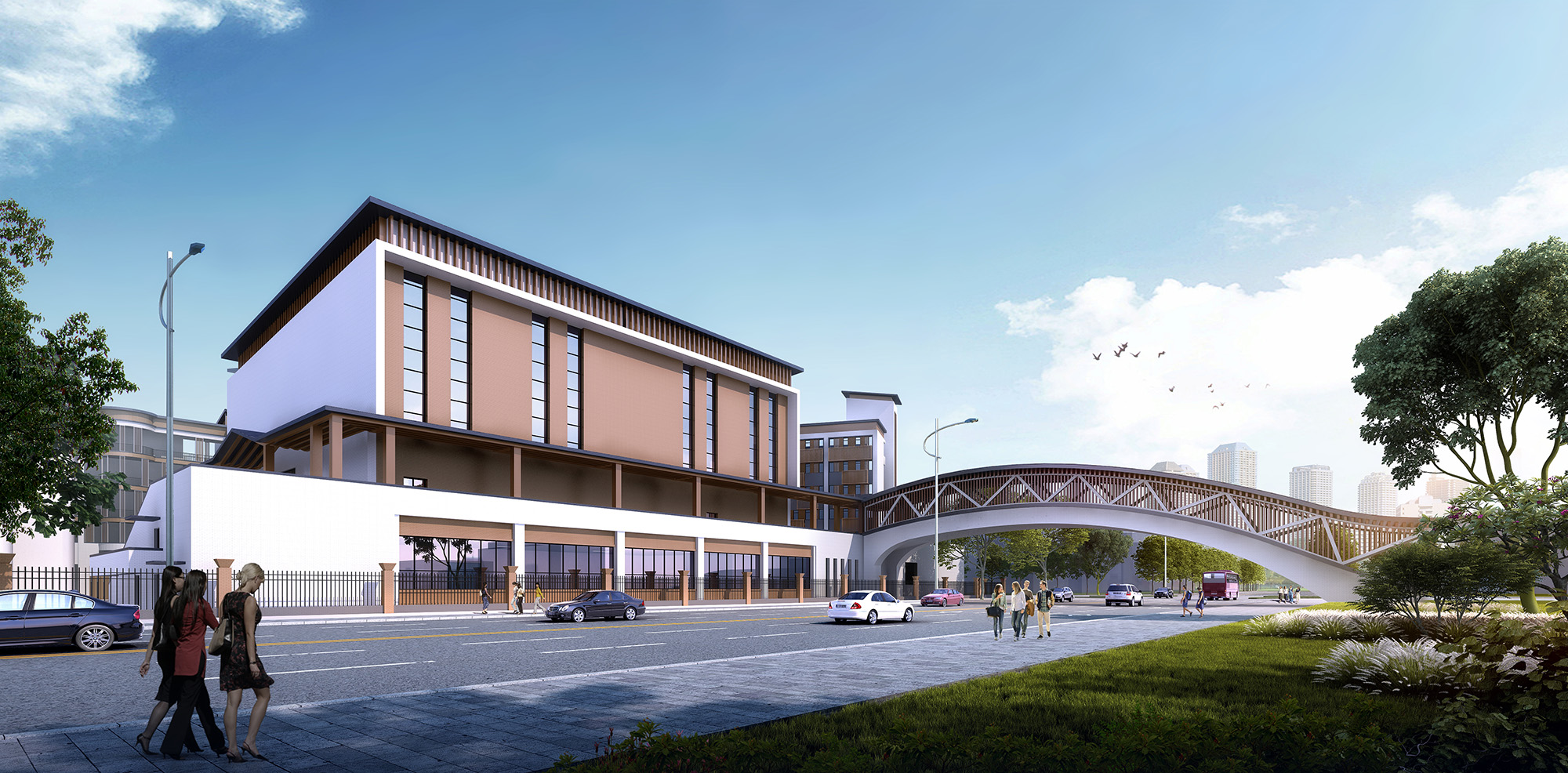
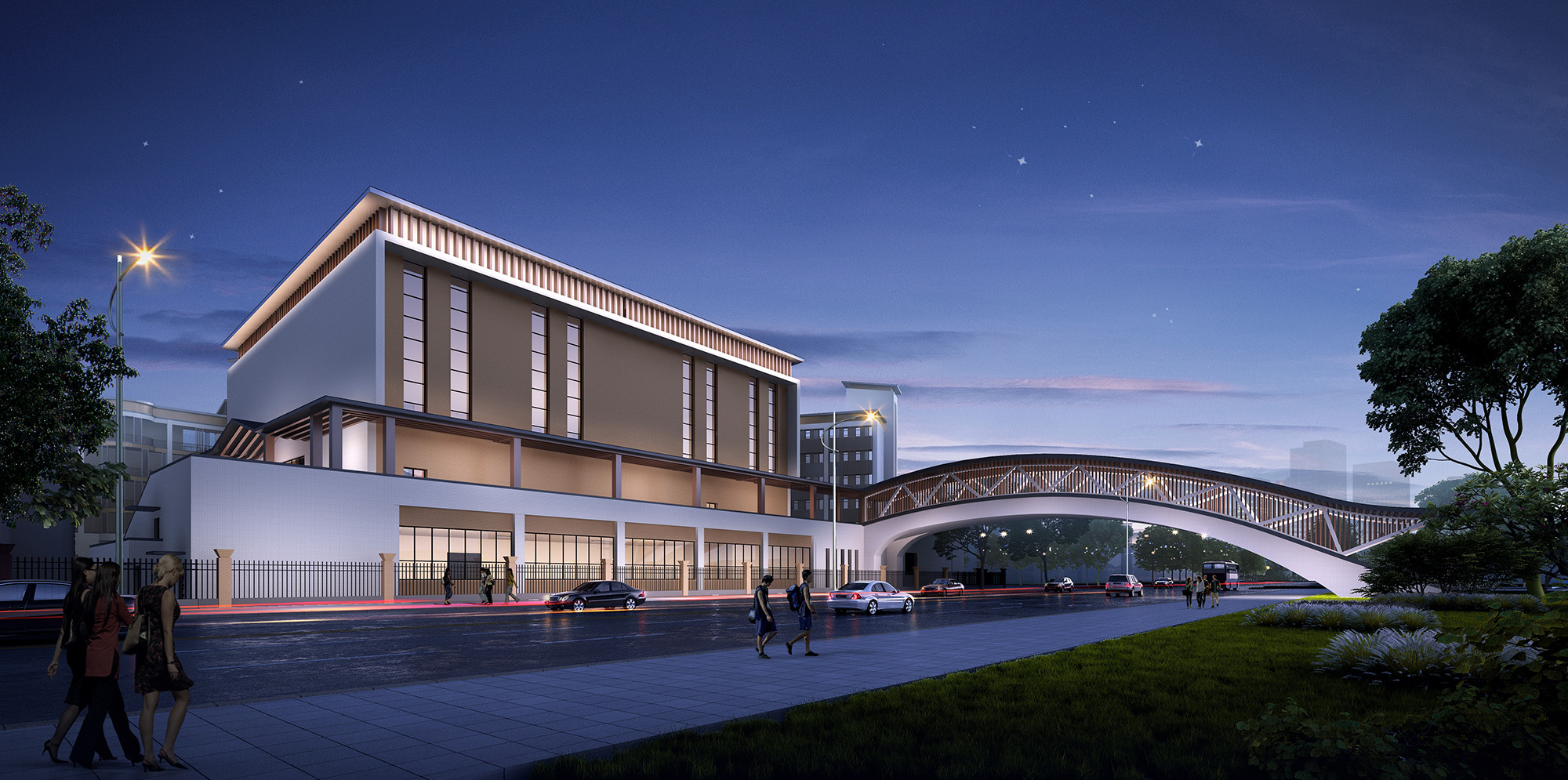
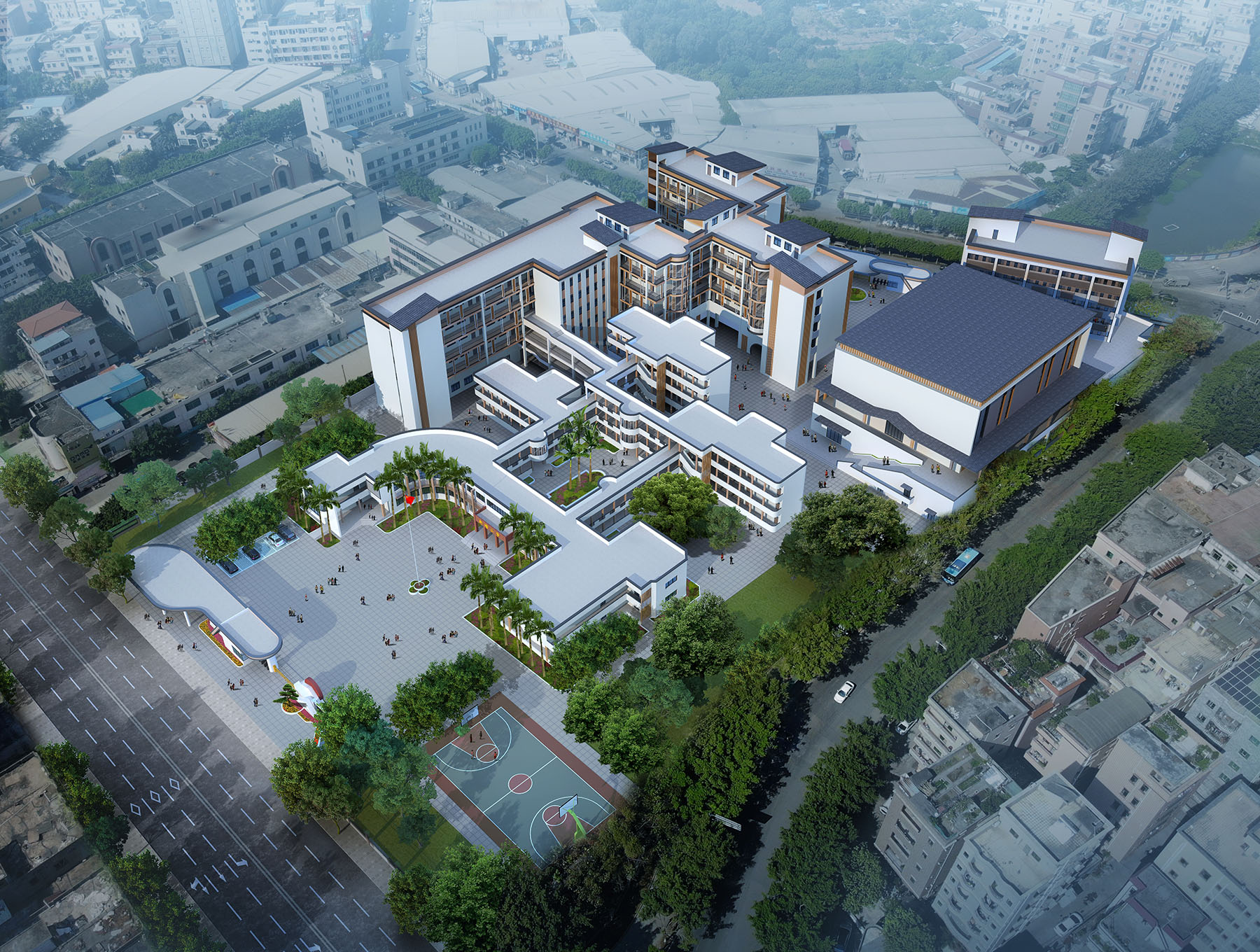
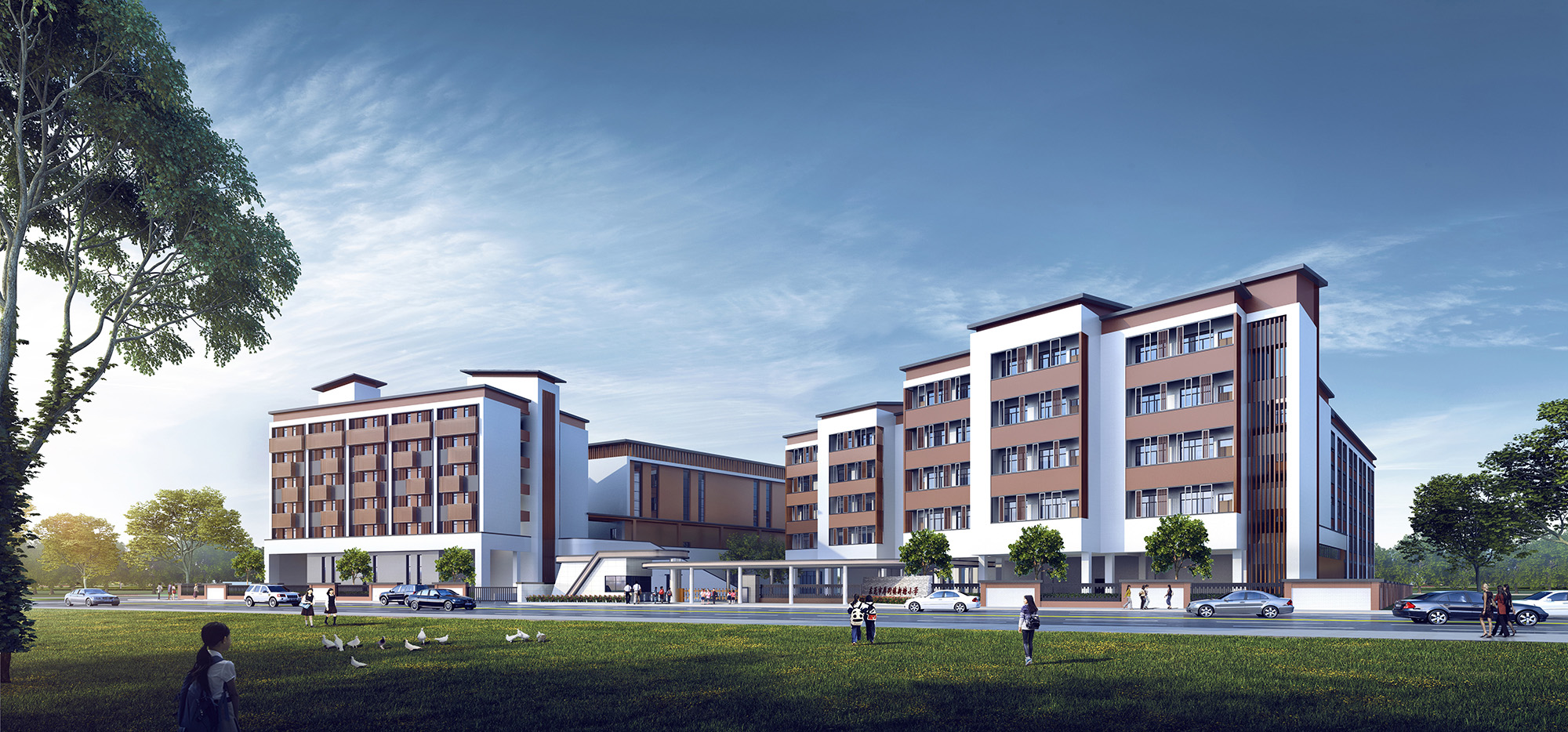
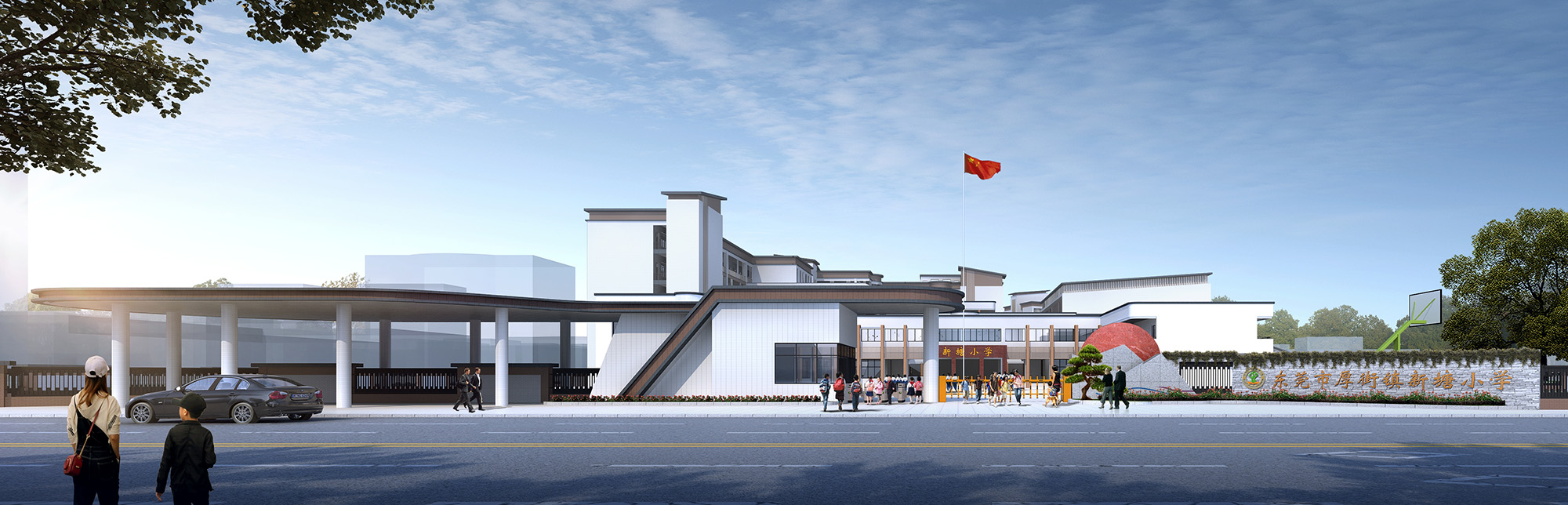
Based on the comprehensive consideration of the surrounding geographical environment and the functions of the surrounding buildings, the noise surface of the base, the barrier feeling and light reflection pollution caused by the surrounding buildings to the base are analyzed. The impact of noise on campus planning is a key point in our design. Through these analysis conclusions, a comfortable, green and ecological campus living environment is designed. Based on the above analysis, the teaching area is arranged in the low noise area in the northwest, so that students can have a quiet and comfortable learning environment, and the logistics support and sports activities are arranged in the northeast. In terms of the overall layout, the original planning structure system shall be maintained. The new buildings shall continue to use the point layout method, and then further optimize the space and shape. In the vertical design of the site, the height and number of floors of the new teaching building and functional building are higher than that of the original education complex building, showing the height difference between the South and the north, so that the whole campus has a good ventilation and lighting effect. A large number of extended spaces created in the whole campus are integrated into the indoor and outdoor landscape greening spaces. Combined with the point type architectural layout, the whole building group is staggered and layered. The changes in the virtual and real, and the staggered light and shadow make the campus space rich and flexible.